02 Mar Plants and Play-Dough
Plants and Play-dough: using Art to teach Science (Bushwillow 28th Feb)
Leaves
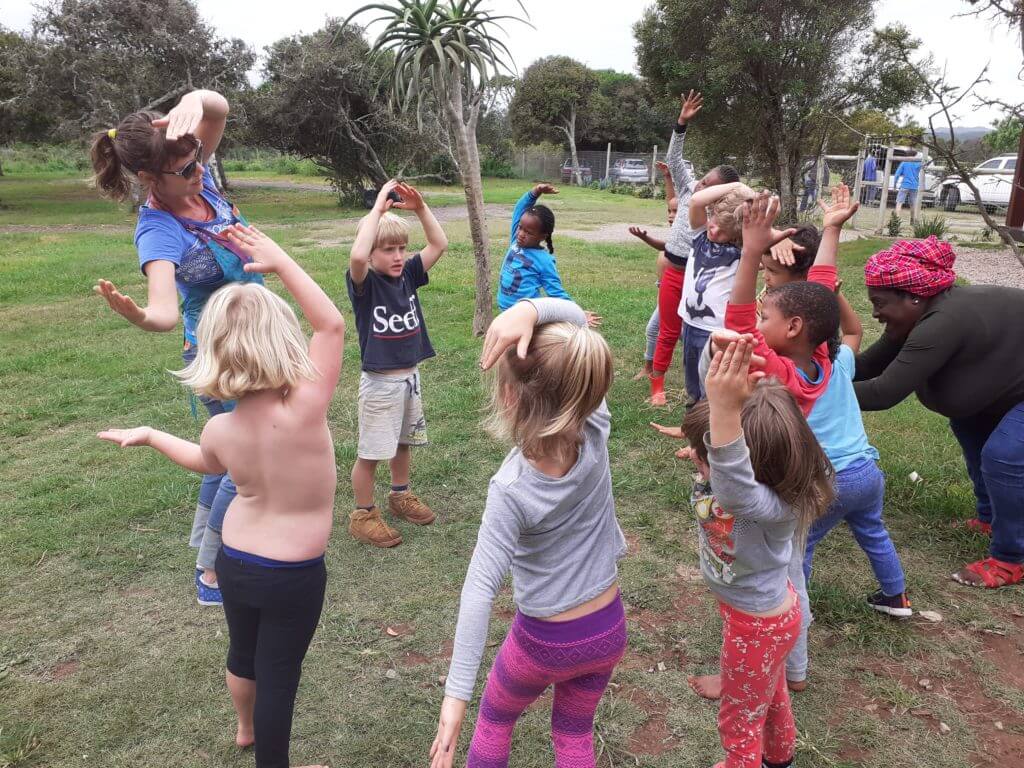
Activity 1: Parts of a plant dance
New words
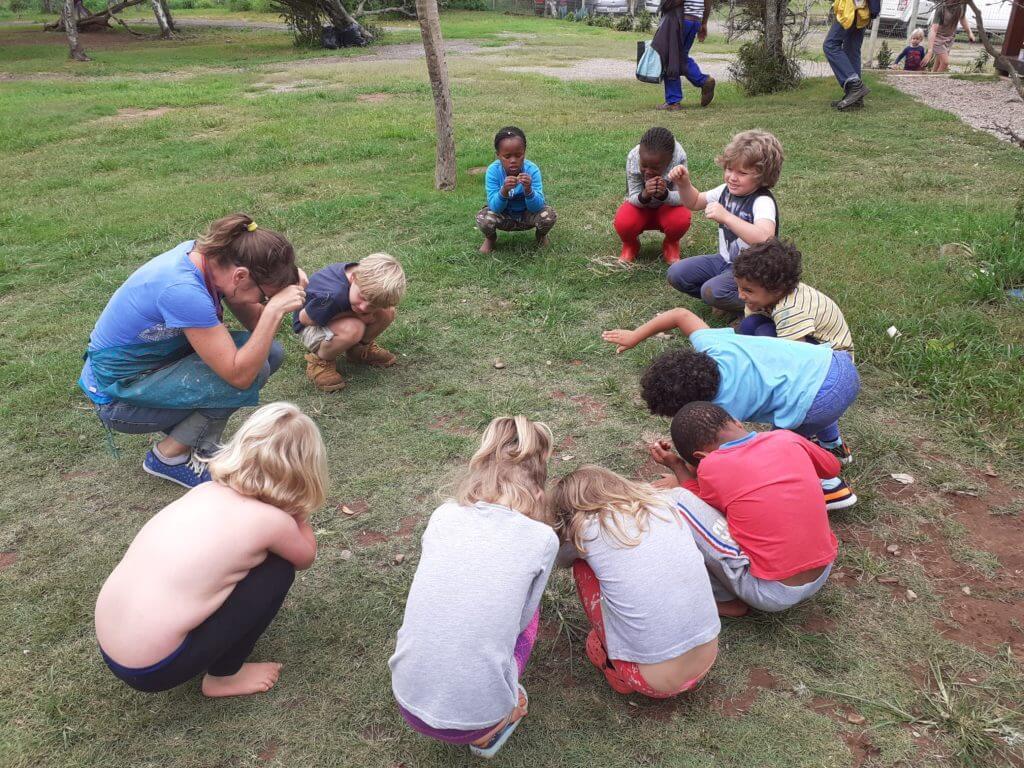
Seed, root, stem, leaf and flower… make up a dance (this aids the memory process)
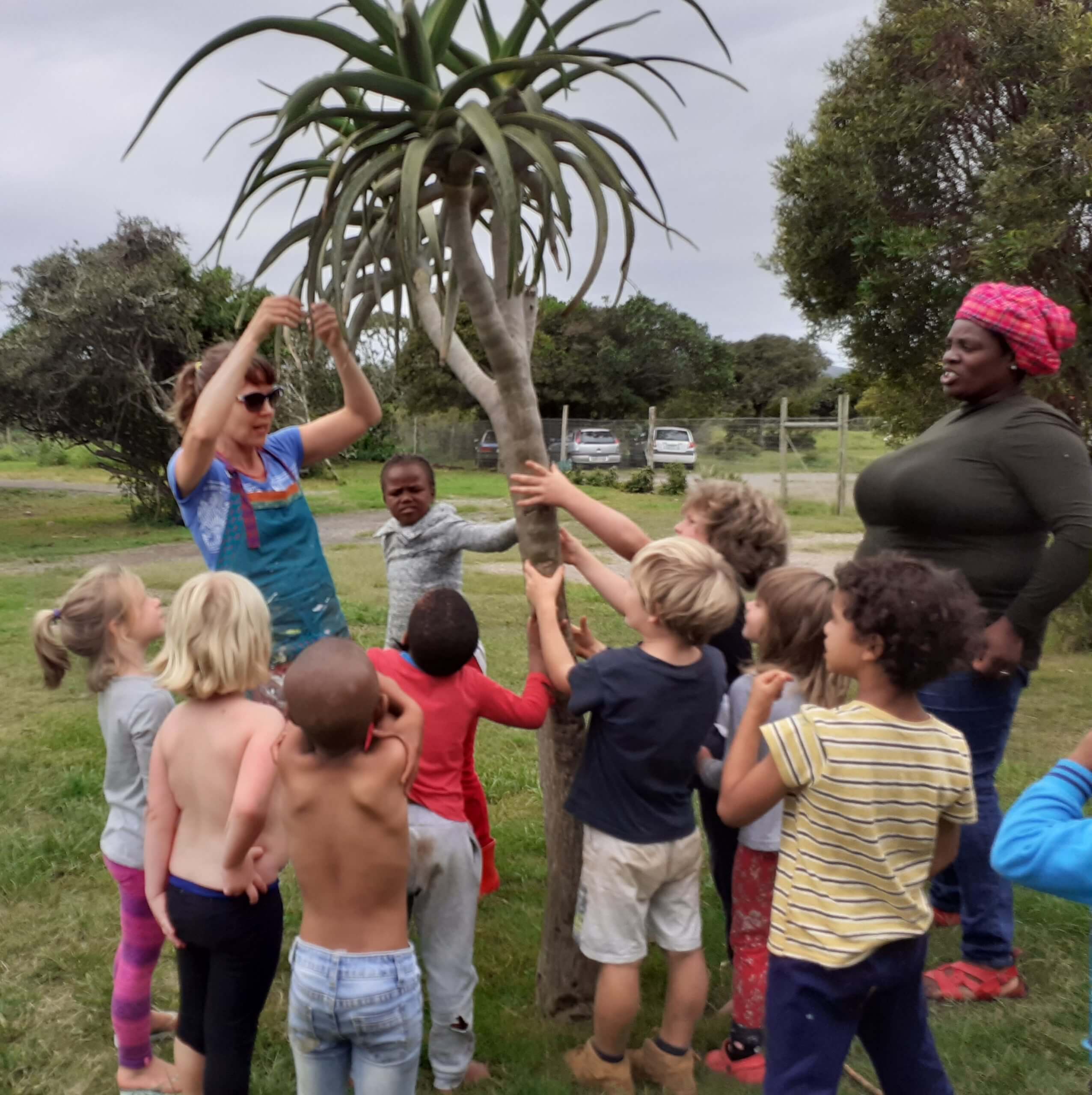
Activity 2: Touch and explore
Look and touch the different parts of plants… do a treasure hunt in the garden… find me a seed, a root, a stem and a leaf (no need to pick flowers… just appreciate their beauty)… look at the treasures and discuss the different textures and smells… repeat the different parts of a plant.
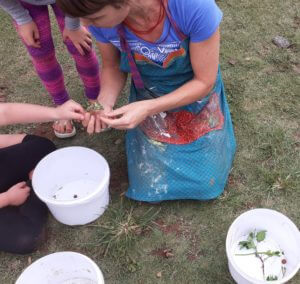
Activity 3: Make lemon, lavender and rose geranium play-dough (or other varieties)
Talk about the smells and the different uses of the plants… taste the lemon… let the children do the mixing… follow a recipe with pictures or let the children draw one.
1 cup water
Half a cup of salt
Food colouring, essence and leaves
1 Table spoon oil
1 Table spoon cream of tartar
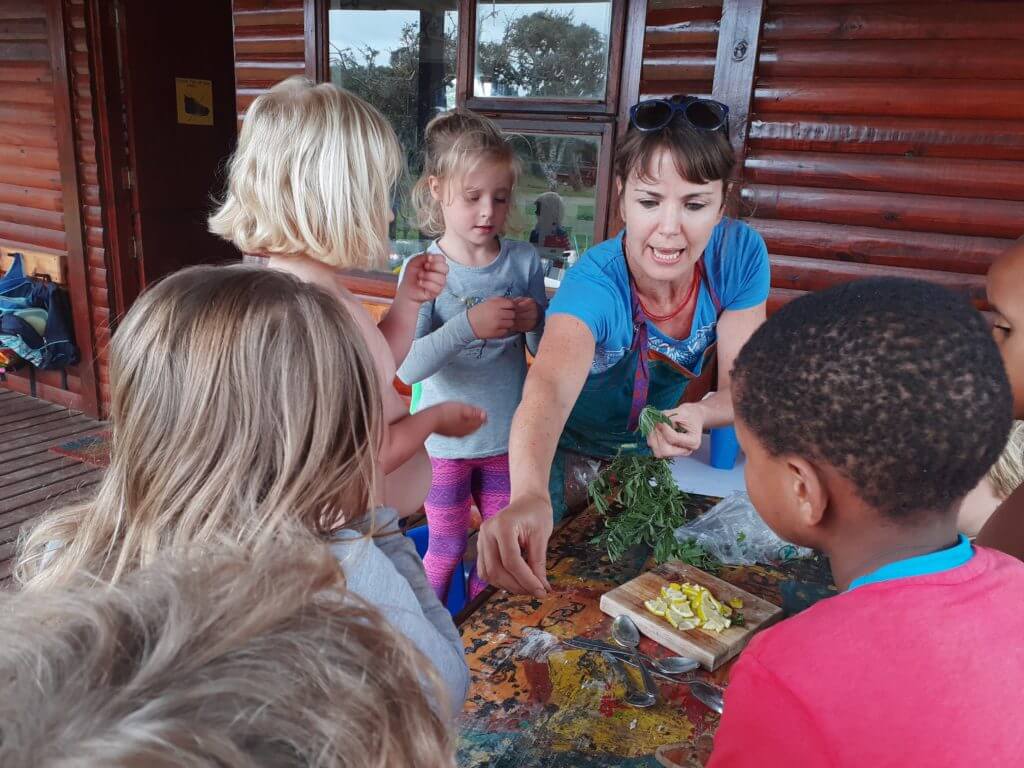
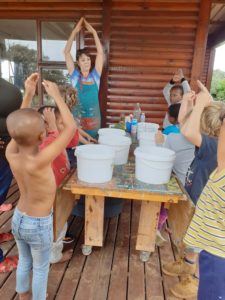
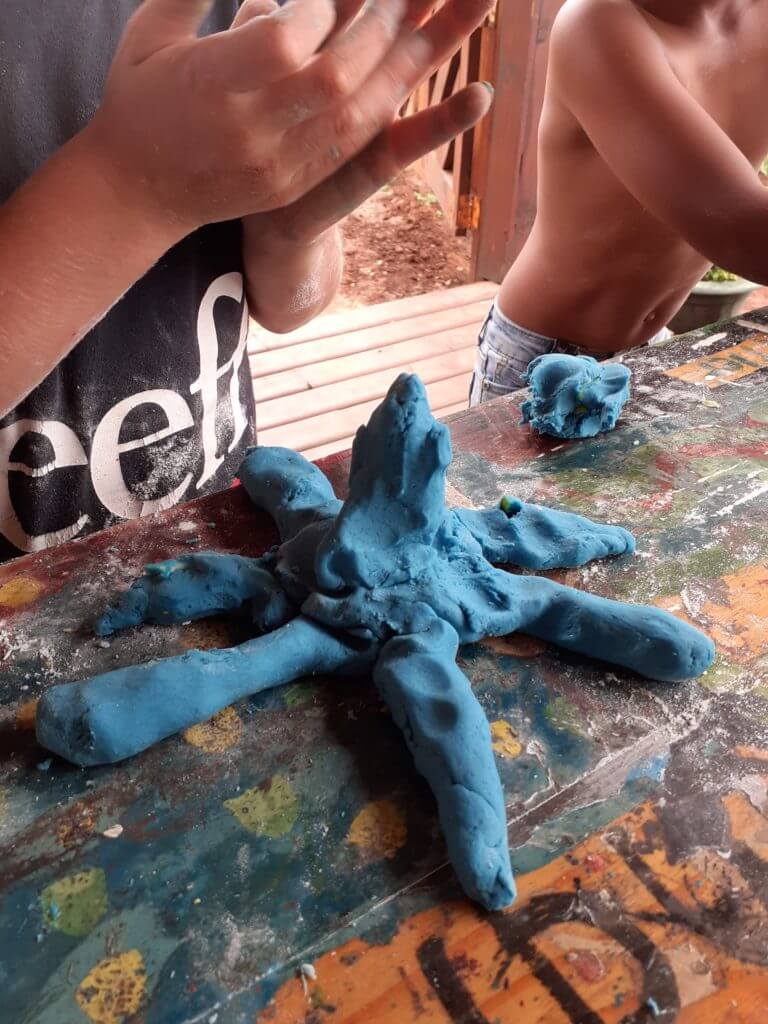
Activity 4: Build the different parts of a plant
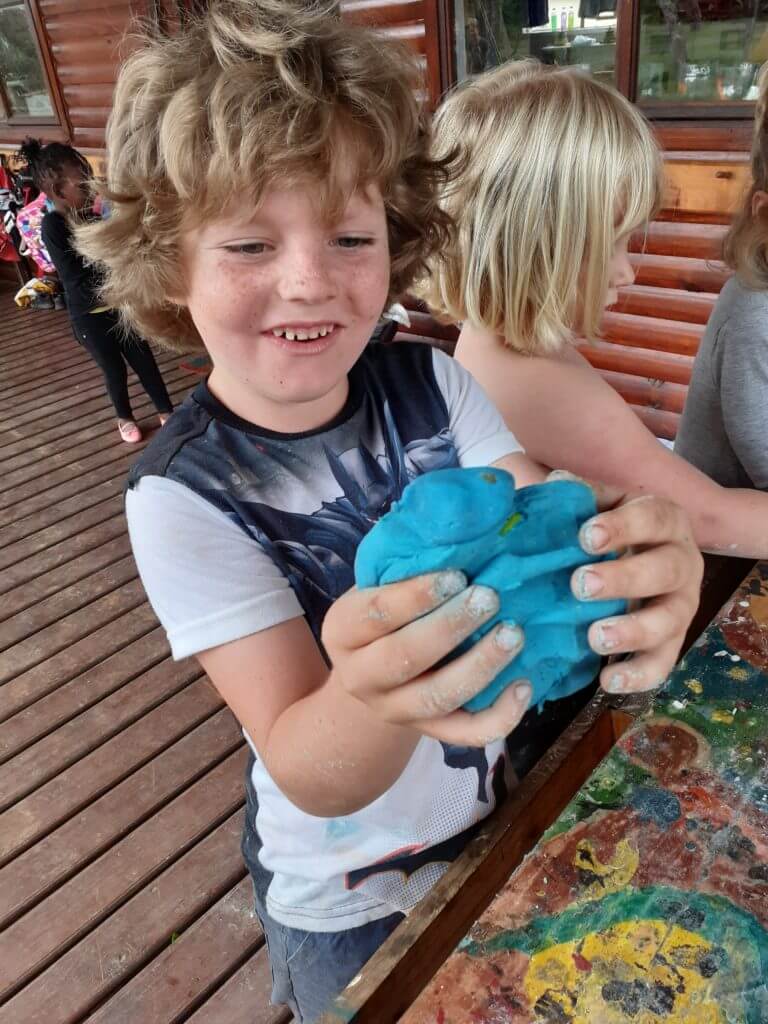
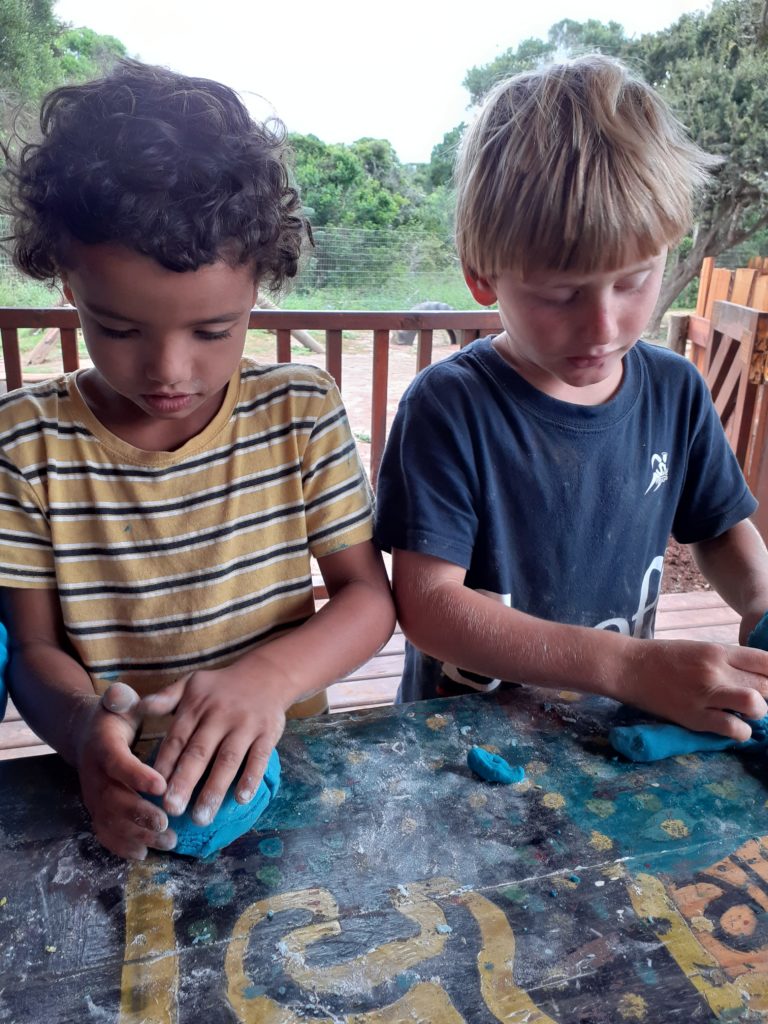
Ask the children to build/roll/shape the different parts of a plant, take a picture to document the learning journey… then let them play!
Reflections:
The structure of the brain is shaped by the learning process, where the brain develops through an active and constant collaboration between biology and experience (Hinton et al., 2008). Thus, the learning ‘experience’ plays a critical role in the acquisition of knowledge.
Children learn through exploring their environment, by making connections and constructing knowledge through play. In science children are encouraged to investigate problems using practical processes and design solutions (Department of Basic Education, DBE, 2011). Why not use an artistic process such as sculpture to facilitate this learning? This way a child may gain content knowledge while being exposed to the learning potential of artistic activities (see “The eight studio habits of mind” Hetland, et al. 2013). Including the development of observational/vocabulary skills and the promotion of a positive mind set through encouraging persistence and focus. Giving children the opportunity to solve problems in a cross-curricular manner advocates the connecting of ideas, promoting the ability to apply what has been learned in a new situation. This ability, known as adaptive expertise (Bransford, Brown & Cocking, 1999) is a skill that is essential to promoting creative thinking.
Similarities between the disciplines of Art and Science have been identified and discussed by scholars for centuries. Leonardo da Vinci’s approach to learning spanned all disciplines, from Art to Engineering he acquired knowledge in an interrelated manner (Robson, Hickey, & Flanagan, 2005). His drawing abilities complemented his desire to understand the workings of the body, and in turn his anatomical knowledge facilitated his revolutionary portraiture. Teaching without the compartmentalisation of subjects promotes this method of learning, where children are encouraged to be actively involved in the learning process through making connections and developing cross-curricular skills.
Jenilyn Deyzel IMAJEN